Discovery Day – ZSL 2025
The Guild's Discovery Day goes wild by re-imaging horticulture for people, nature and the planet.
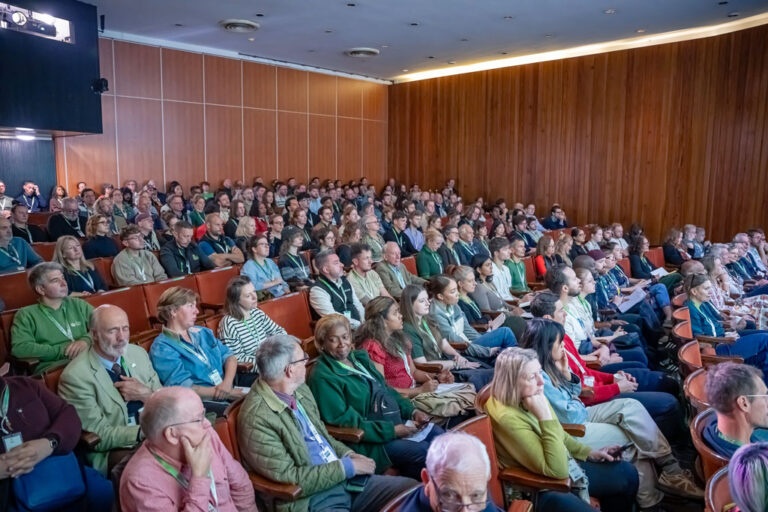
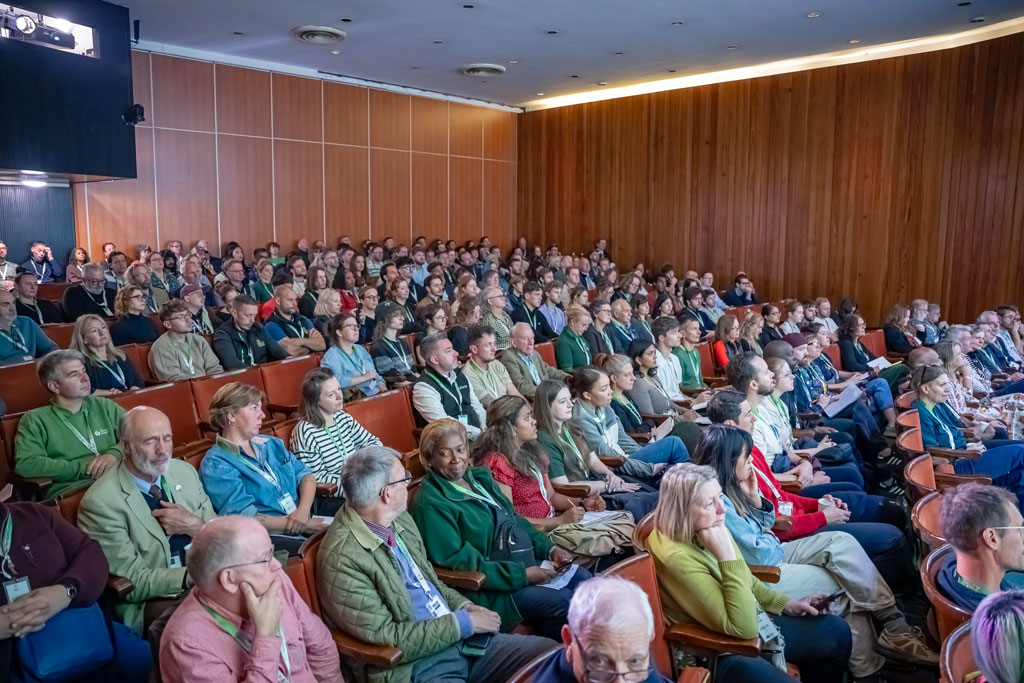
This year’s event was hosted by the Zoological Society of London (ZSL) at their HQ in Regents Park. It was attended by 200 specially invited horticultural apprentices from across the sector and several local schools. We had over 40 volunteers and numerous organisations offering support and sponsorship to make this important event happen.
The ZSL Huxley Theatre was our main auditorium located on the Outer Circle and doors opened at 9:00am with the main event starting at 9:30am.
Mike Fitt (Chair of the Royal Parks Guild) started the day with a taster of what the delegates will hear, see and do. This was followed by a welcome video from Matthew Gould (CEO of ZSL) who was on an assignment overseas at the time. He set the context of the ZSL’s origins which started 199 years ago with a message of this generation of horticulturists being able to inspire and connect with people, communities and nature.
Next up was Andrew Scattergood (CEO of The Royal Parks) who reminded us that this was his 10th year attending the Guild’s Discovery Day event. He said that each year it gets better and better by aiming higher each time. He reinforced the purpose of making connections both today and later on by taking the opportunities that Discovery Day gives you.
Next up was Professor Nathalie Pettorelli, Senior Research Fellow at ZSL, working in climate change ecology, biodiversity monitoring and remote sensing. She explored why nature in cities matters to us all and why we need more of it.
Issues in the debate included ‘Restoration vs Rewilding’ and provided an excellent example from Singapore, the Kallang River Project.
At grass roots level, she singled out that well known weed Ragwort which is host to 178 species of insect with 28 being completely dependent on the plants life cycle.
She concluded that the diversity of nature and of people are necessarily related with everyone having a role to play in contributing to our futures.
Our next presentation was from Mete Coban (Deputy Mayor of London for Environment and Energy). He thanked the Guild for organising these important yearly events by bringing the next generations through.
He mentioned that taking on the increasingly complicated agenda of the environment is important and challenging by citing that summers four heatwaves as a signal of climate change. Mentioning that all 41 of London’s rivers are currently classified as polluted indicates an urgency to get on with intervention.
Green / Blue space in London amounts to about 50% of surface area and therefore still holds great potential for connectivity between habitat and people.
Mete concluded with the message that everybody can make a difference by encouraging the delegates to learn from the day and continue the good fight.
Sven Seiffert (Curator of plants at ZSL) was next up and explained what he does in providing authentic habitat and materials for the zoo’s inhabitants. Gone are the dreary, bare cages and instead appropriate detailed plant communities are designed to replicate particular habitats for their customers (animals).
This was helpful come the afternoon session when site visits were planned.
We next explored the world of AI with Tony Hinkley (Chief Technical Officer for Avanade) about its use in the world of horticulture. There was gold award at Chelsea for the ‘Intelligent Garden’ exhibit which help demonstrate its use.
He gave an example about the statistics in planting trees with 30% dying within 12 months, a further 50% not making it past year 10 and it takes 16 years for a tree to reach carbon neutrality. This is where AI can help in understanding what might be going wrong and then to reduce the percentage to loss by asking the tree.
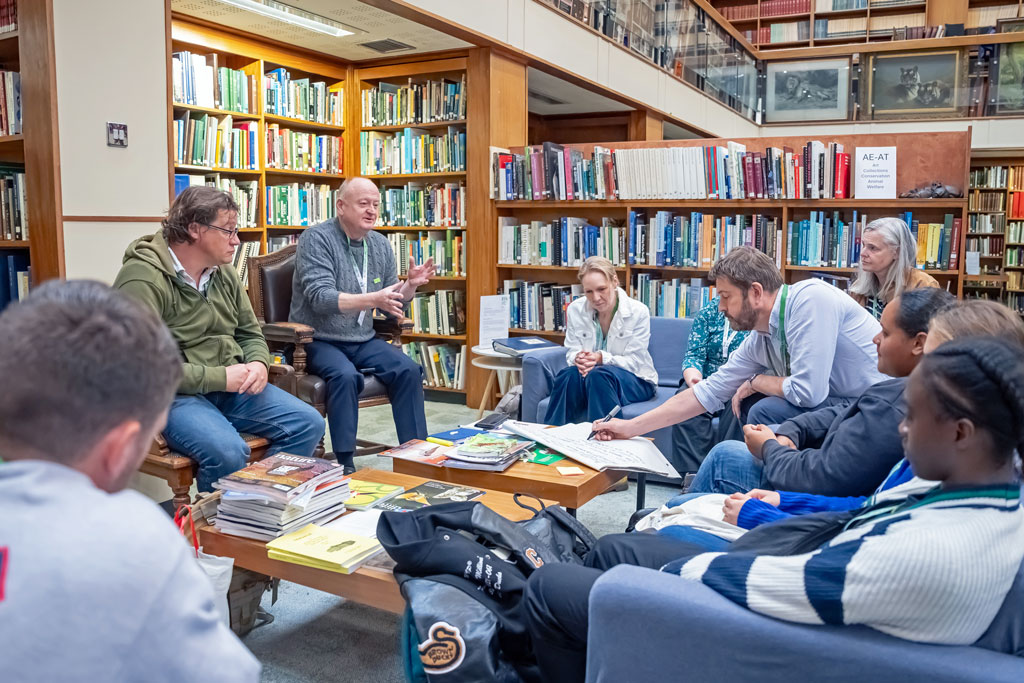
This all led into the breakout sessions hosted by Ruth Lin Wong Holmes. The delegates were split into 7 groups and asked to generate ideas on re-imagining horticulture as we progress through the 21st century.
The delegates were also asked to answer three questions via their phones to be summarised at the end of the event.
Then it was time for lunch provided by one of our sponsors, Benugo.
While the delegates were eating lunch they had the opportunity to explore, network and talk to career related organisations who had stands dotted around the building.
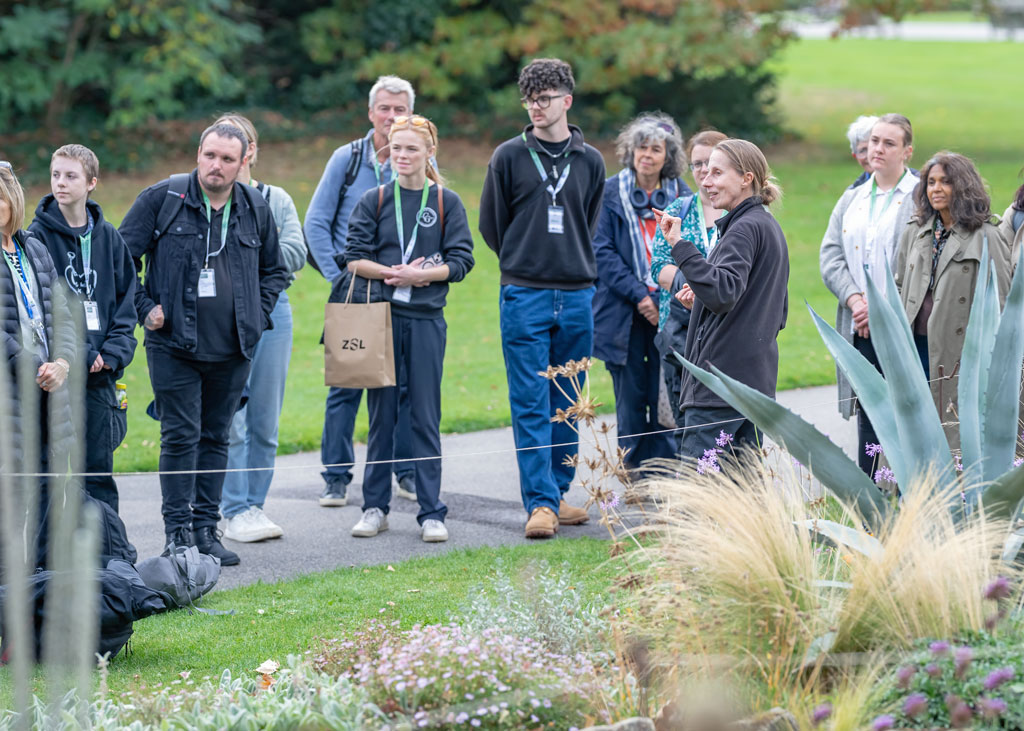
When lunch was over it was time for the site tours both within London Zoo and Regents Park. Some locations were the Queen Mary Gardens laid out in the 1930’s to a privileged view of the new Queen Elizabeth II garden. The tours within the zoo consisted of understanding the animal enclosures habitat to behind the scenes of how they provide the specialist diets for some species, all led by experts in their field.
Once the tours were over it was back into the lecture hall for the final presentations led by Michael Rowlands (Head of Park Operations) who summed up the day. This included the need to seek continuing improvements in horticulture, taking on the challenge of climate change and technology. By appreciating the smallest of actions, they will all stack up towards a cumulative achievement. Overall, he encouraged the delegates to be inspired by what they listened to, saw and did today then continue to learn by promoting horticulture in today’s fast changing world.
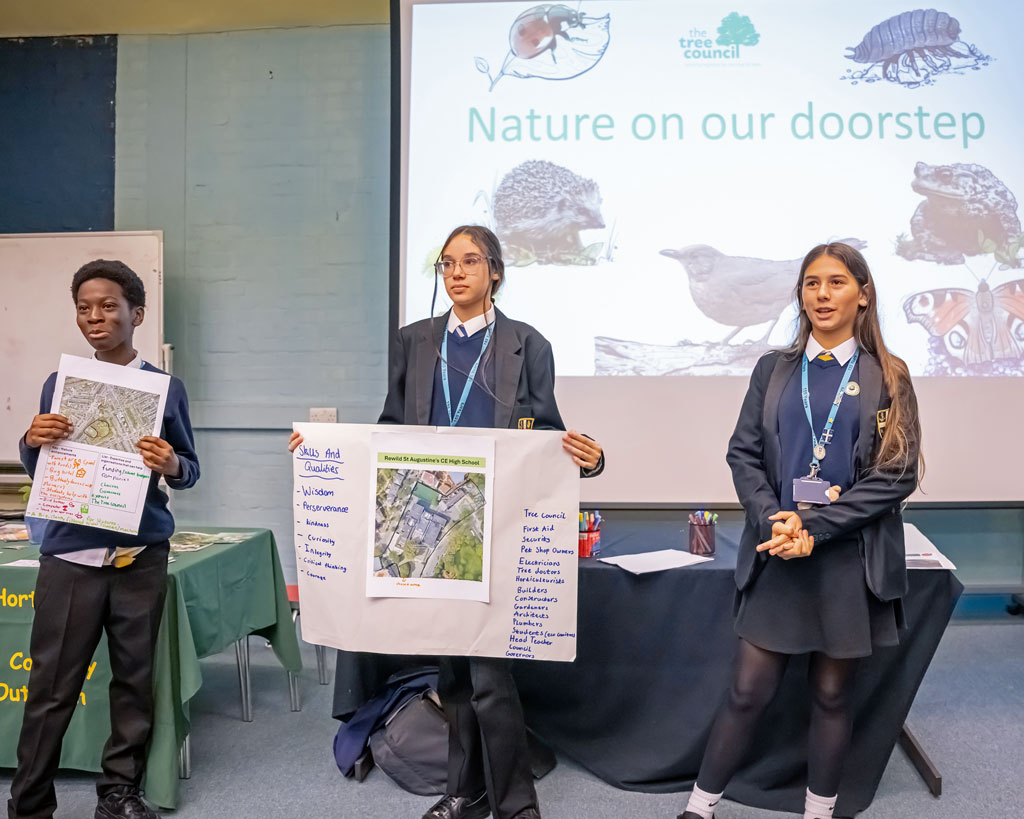
Now it was the turn of the schools, who’s programme was separate from the apprentices. Richard Pollard (Head of Schools Programmes at the Tree Council) who has been a constant participant in the Guild’s Discovery Day event, gave us a brief overview of the school’s activities.
Their theme for the day was insects and by focusing on the insect exhibits in the zoo, the school parties had got into the mind-set of respective insects. They looked at their diet, health amongst other things and came away inspired wanting to rewild some of the school grounds – A springboard for change.
The last presentation was by Emma McNamara of the National Trust who had the unenviable job of summarising the ideas from the breakout sessions into something understandable.
The three questions asked earlier in the day were analysed by Andrew Warnes (Guild Board Member) and quickly interpreted and fed back to the delegates on stage.
The questions were:
What words come to mind when you think about AI and technology in modern horticulture?
The top four answers are:
- Efficiency
- Future
- Helpful
- Robotics
Which digital tools or innovations do you believe will most transform horticulture in the next 10 years?
The top word cloud answers are:
- AI
- Big Data
- Plant ID
- Robotech
- Weather Monitoring
What challenges or concerns do you associate with using AI and IT in horticulture?
There was no consensus on answers here but 54 different responses which ranged from accuracy, algorithm bias, depersonalization to downskilling, job losses and even lack of creativity.
To close the day, Mike Fitt thanked everyone for coming from our sponsors, volunteers and the ZSL staff. But he had special thanks to our delegates, the apprentices and participants from the world of horticulture in making this year the best yet.
Everyone then departed collecting a goodie bag on the way out which include a couple of plants, pens and books.
We, the Guild, cannot thank everyone enough for you time and effort on the day. You know who you are and it is very much appreciated not only from us, The Guild, but also the stars of the day, the apprentices and participants who left the day knowing that horticulture is not just growing plants but a whole ecosystem from sea to sky.
If you are an organisation, business or corporation that would like to get involved then get in touch, we would love to hear from you.
Even if you are on your own horticultural journey and would like to be invited to our 2026 event then send us an email stating why you would like to be there.
The short video below gives you an insight to the Guild’s Discovery Day programme and what is it all about.
Discovery Day 2026 will be different again with an underlying theme so stay tuned to find out more.